
Asian tiger mosquitoes and their impact on the environment and our ecosystem in the UK
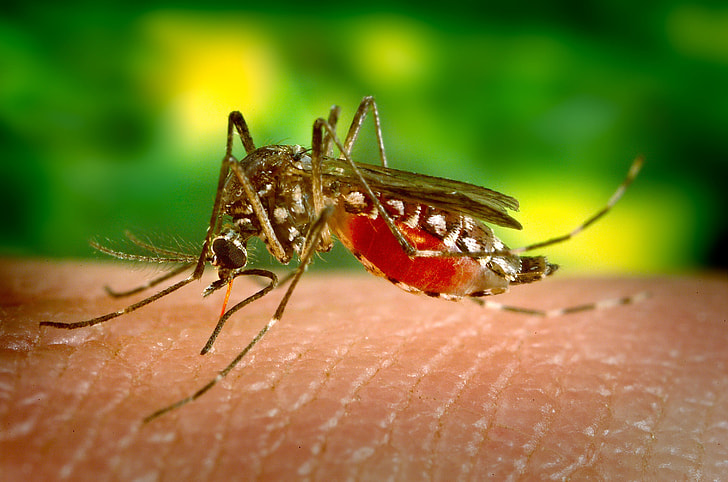
Aggressive daytime feeder, Asian tiger mosquito is a unique invasive species that poses a great threat to human and other organism populations. The Asian tiger mosquito started spreading to many countries with transport of goods and international travel. Successful invasion is due to several factors including globalisation (increase of trade of goods and travel), lack of awareness and control, ecological plasticity. The mosquito is already showing signs of adaptation to different climates because of its high plasticity. This may result in an increase of disease transmission to new geographies.
Forest mosquitoes are usually found in subtropical areas and the Asian tiger mosquito originates from tropical forests of South-East Asia. They are characterised by white stripes on the body and leg similar to that of a tiger. The spread of the evolution of this invasive species in Europe is concerning due to reports of climate change and rising temperatures.
- Likes the flavour of flies and feeds during the daytime
- High ecological plasticity
- Notorious carriers of diseases like Zika and Dengue fever
- Adult has a lifespan of 21 days
- Female can lay 500 eggs through its lifespan and it takes 7-10 days for an egg to develop into an adult
Asian tiger mosquito selecting hosts
The Asian tiger mosquito has a broad range of hosts including humans, domesticated animals and birds. Unlike common mosquitos they do not make noise and may take a bite and fly away without being detected.
Females have a blood diet to develop eggs and they also, like the males, feed on sweet plant juice. They like humidity and identify their host by chemicals like carbon dioxide, which naturally occur in human skin.
Protecting yourself from Asian tiger mosquito
- Eliminate stagnant water in your backyard to prevent breeding; mosquito eggs need water to hatch
- Remove any containers holding water from your garden or inside your house; this is a perfect breeding spot for them
- Screen windows and doors to reduce access into your home
- Clean gutter and drains
- Protect yourself with natural repellents
Author:
Prime Pest Control Team